
6 Ways Your Toddler’s Shoes Are Damaging Their Developing Feet
This is not a trend. It is what happens when parents realise ordinary toddler shoes are actively interfering with how their child's feet form, balance, and move.


The average toddler takes 2,000-3,000 steps per day while their foot structure is still forming. The wrong shoe repeats the same pressure thousands of times a day.
More parents are reaching the same conclusion: the shoe is not just covering the foot. It is either giving the foot room to develop, or it is training it into the wrong shape every single day.

The Biology First
The Fact That Changes Everything: Your Toddler's Foot Is Still Being Built
Most parents only learn this after problems start: a toddler's foot is 75% cartilage. Not hard bone. Soft, pliable, still-forming cartilage. It will not fully harden until around age six, which means the shoes worn now are shaping how the foot sets for years.
98% of children are born with perfectly healthy feet. The problems begin after we put growing feet into shoes that restrict them.
Paediatric research points to one common cause: shoes worn during the developmental window. Stiff soles. Narrow toe boxes. Incorrect weight distribution. All during the years the foot was easiest to shape.
These are the numbers that make waiting risky:
What Your Toddler's Shoes Are Deciding Right Now
- Arch formation — the shoe either lets the arch build strength or keeps the foot passive
- Toe alignment — repeated pressure from narrow shoes trains toes to squeeze together
- Gait patterns — the way they learn to walk now becomes the pattern they keep repeating
- Bunions, hammer toes, flat arches — these problems start with pressure applied while feet are still soft

The Problem With Most Shoes
What's Actually Happening Inside Your Toddler's Shoe Right Now
Four months ago, a mum saw a video explaining how rigid shoes push a toddler's soft foot structure into the wrong shape. She instantly checked the shoes her daughter wore every day. What she found stopped her cold:
— From a parent who made the switch
Pick up almost any popular toddler shoe from a high street store. Try to bend it. Press into the toe box. What you will find is a shoe that is working directly against what a developing foot needs:
- Rigid sole
Locks the foot in place when it should be flexing, gripping, and building strength with every step. - Narrow toe box
Squeezes toes together under load, reshaping bones during their most pliable years. - Elevated heel
Shifts weight forward incorrectly, altering posture and gait from the start. - Heavy construction
Forces toddlers to compensate with unnatural movement before their balance is fully developed. - Synthetic lining pressed against developing skin
The inner lining of most popular toddler shoes is synthetic plastic, pressed against soft skin for hours every day.
Pippa & Vale vs. Every Other Toddler Shoe
The difference is not cosmetic. It is the difference between a shoe that protects natural development and one that restricts it every day.
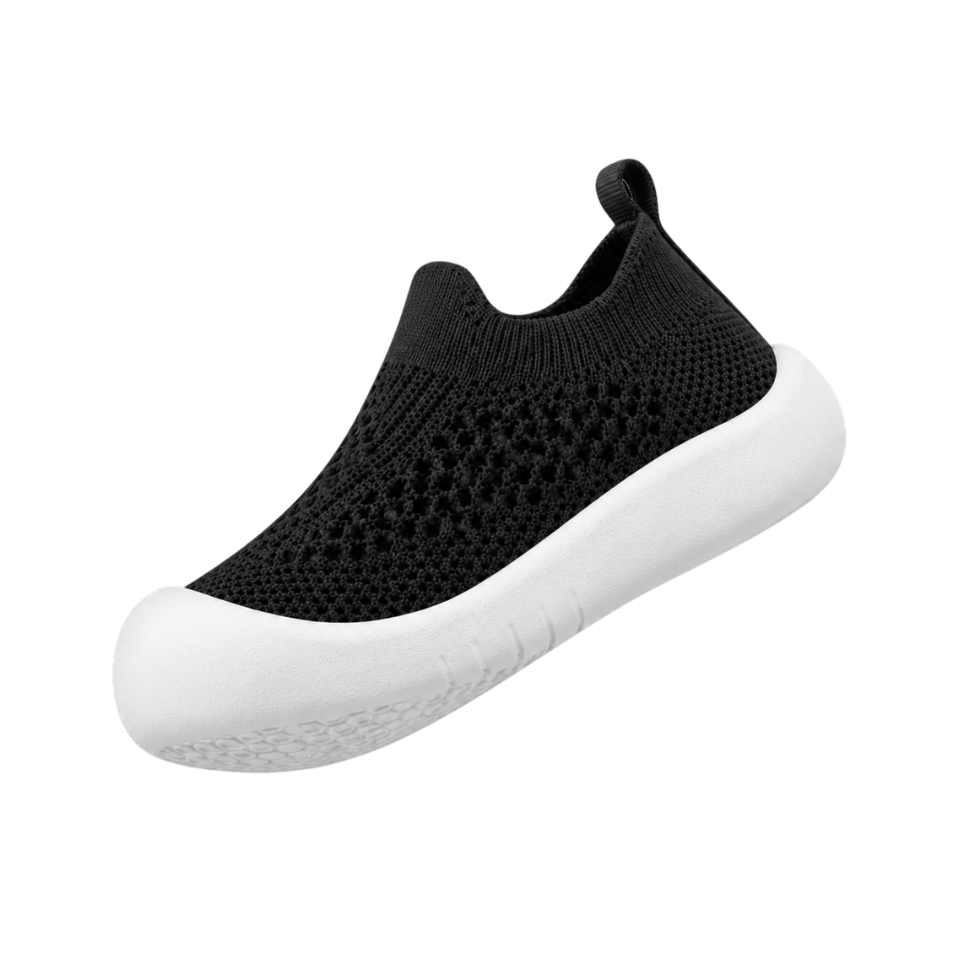
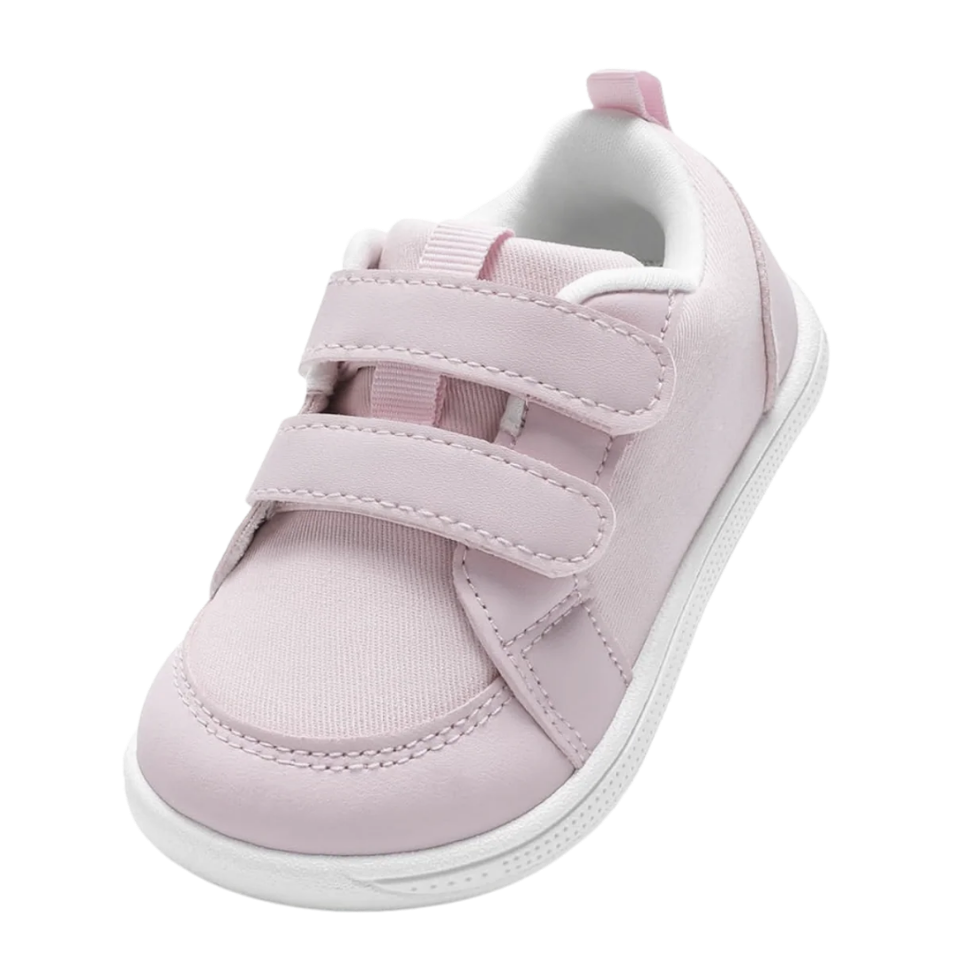
Check Your Toddler
Do You Notice Any of These? Most Parents Don't Connect Them to the Shoes.
These are not just "toddler habits". They are warning signs that the shoe is fighting the way your child's foot wants to move.
- Trips and falls more than seems normal because the shoe blocks natural ground feel
- Shoe time triggers tears, tantrums or refusal because the foot is being restricted
- Shoes fall off constantly or get put back on again and again
- Walks noticeably better, more confidently, when barefoot
- Sock marks, redness or pressure marks visible after shoes come off
- Walking looks stiff, heavy or laboured because the shoe is controlling the movement
- A rash, redness or mark that keeps returning in warmer months
- Shoe battles that get significantly worse in summer
What This Actually Means?
Toddlers cannot explain that the sole is too rigid, their toes are compressed, or the shoe weighs too much. So their body tells you instead.
The resistance is not bad behaviour. It is communication. The problem is not the child. It is the shoe.
"I genuinely thought my daughter was just clumsy. 18 months old and tripping constantly. Then I read about how shoe soles affect gait in early walkers. We switched to barefoot sock shoes. Two weeks later, she was running across the kitchen tile without a single fall. I felt awful that I'd waited so long."

Anna S. | Mum of a 19-month-old
From Unsteady and Resistant — to Running, Confident, and Asking to Wear Them
When the shoe stops fighting the foot, parents notice the same changes quickly and in the same order.

For parents who gave up expecting that — this alone is a revelation. Through running, climbing, water play, and a full nursery day. Still on.
Not tolerates. Asks for them. Tries to put them on alone. For parents who turned shoe time into a daily negotiation — this is the moment they didn't see coming.
More confidence. Better balance. Less stiff movement. The foot is finally doing the work it was always supposed to do.
26,000+ Parents Switched. Here's What They Noticed.
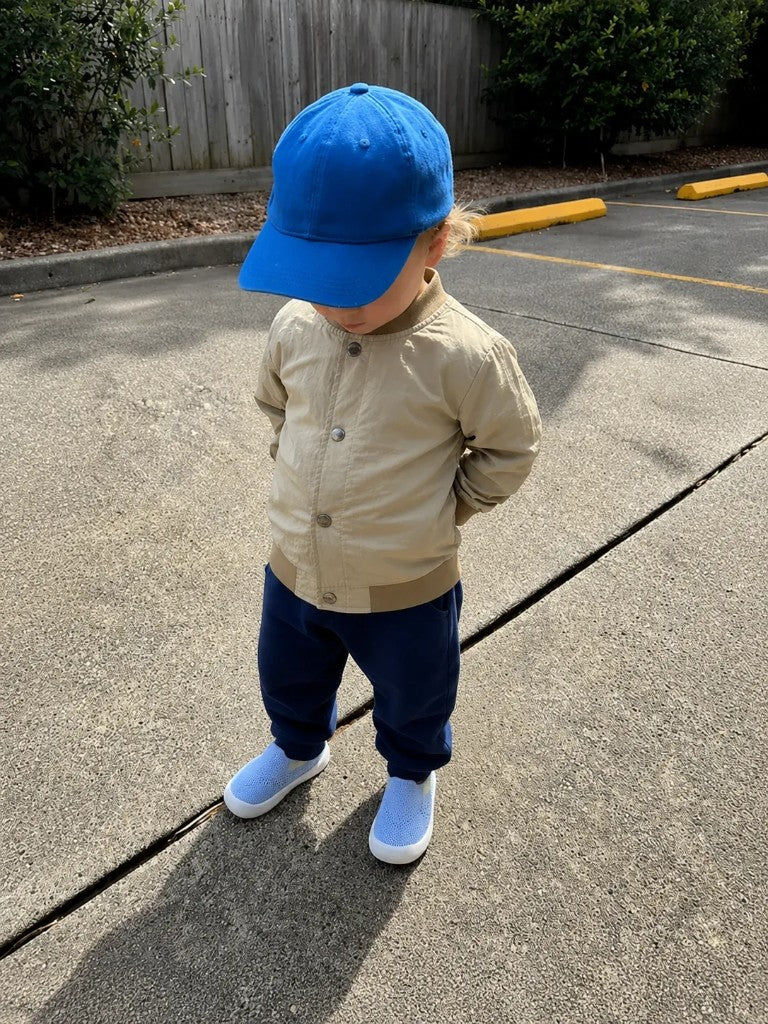
My son has really wide, chunky feet and every shoe left red marks on his toes.
ResultThese are the first ones that actually fit him properly. So much room in the toes and he hasn't complained once.
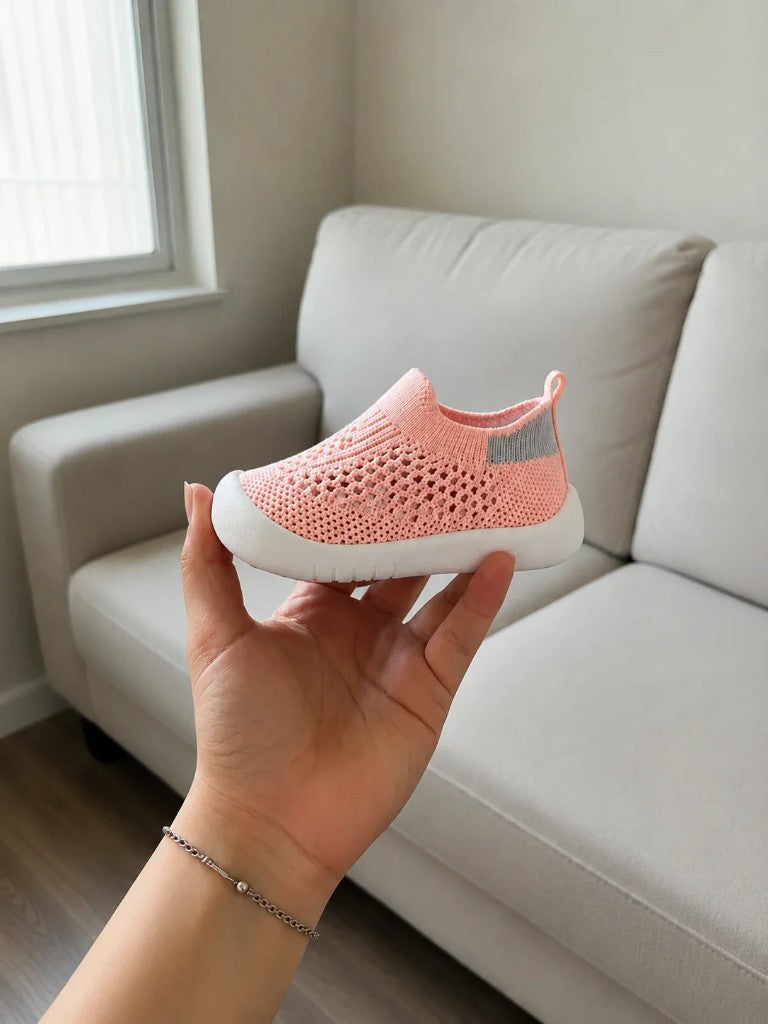
Getting shoes on my 2-year-old used to be a daily fight before leaving the house.
ResultThese just slip straight on and they don't come flying off at the park. Game changer for our mornings.
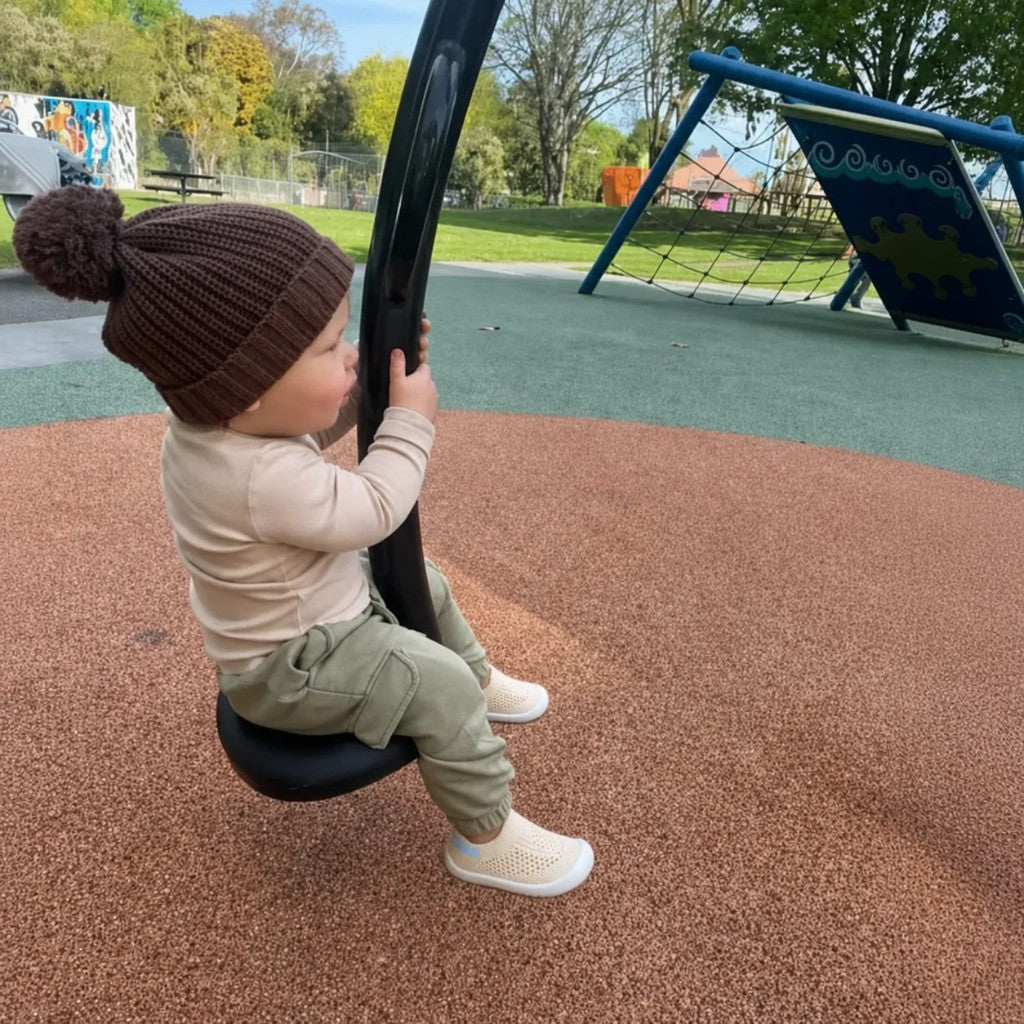
He pulled every other pair off and always wanted to go barefoot.
ResultHe calls them his fast shoes and brings them to me. Lightweight, soft, and he keeps them on all day.
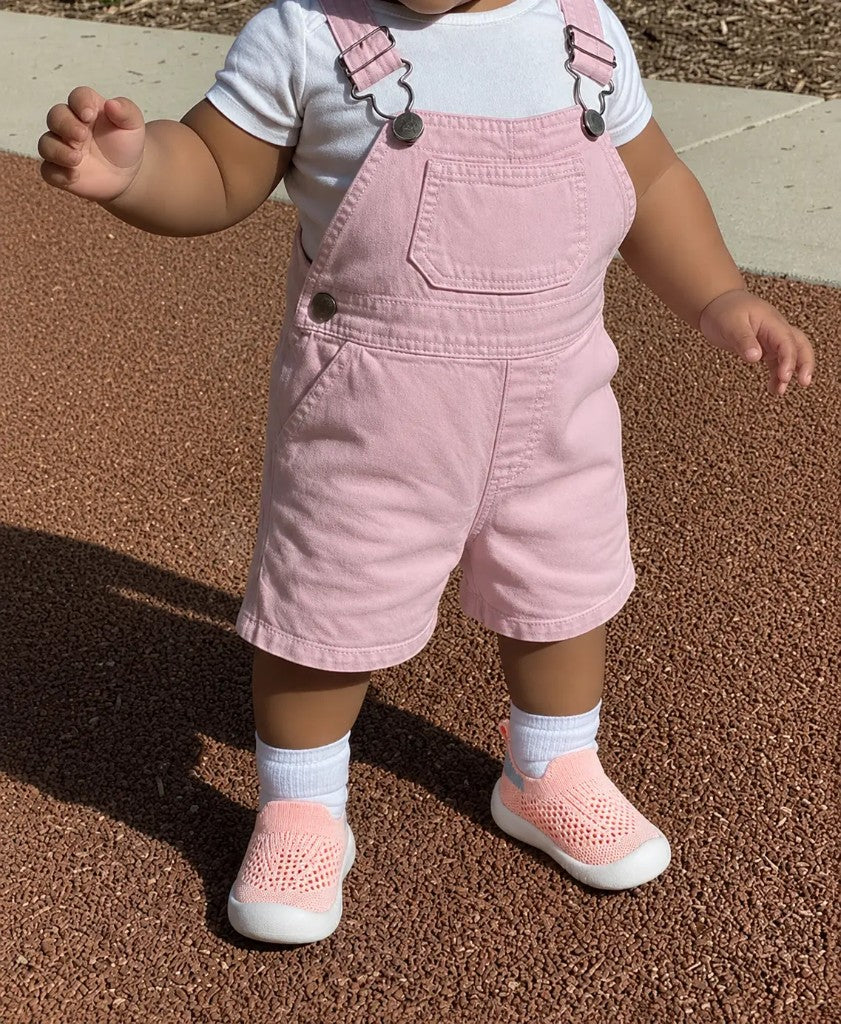
My daughter hates anything tight or seamed on her feet and refuses most shoes.
ResultThese are soft like a sock with nothing digging in, and they're the only pair she'll keep on.
Pippa & Vale — The Shoe That Lets Little Feet Move The Way They Should.
Wide toe box, flexible sole, breathable knit. If your toddler's shoes are restricting their feet, this is the switch that gives their toes, muscles, and balance room to work properly again.
Grab Your FREE Pair20% of all profits will be donated to The College of Podiatry Trust, helping support the future of foot health.


Common Mistakes
Things Most Parents Do With Toddler Shoes — Without Realising the Damage
- 1Buying a size too big to "grow into"
Extra space makes the foot slide, grip badly, and learn unstable movement. - 2Choosing stiff soles because they look supportive
A stiff sole does the work for the foot, so the foot does not build strength the way it should. - 3Picking narrow shoes because they look neat
Narrow shoes press soft toes together during the years they are easiest to shape. - 4Heavy shoes for early walkers
More shoe does not mean more stability. It means more compensation. - 5Prioritising style over function
A cute shoe that restricts movement is still restricting development. - 6Switching to sandals in summer thinking it is safer
Thin straps create pressure points, exposed toes are left vulnerable, and the foot still gets poor support during the busiest outdoor months.
Why barefoot sock shoes avoid all of these by design?
No stiff structure. No narrow toe box. No heavy build to alter their gait. No hard straps or buckles to rub. The shoe stops forcing the foot and finally lets it move the way it was designed to move.
What parents ask before they switch
Are Pippa & Vale barefoot shoes actually better for little feet?
My toddler is just starting to walk. Are they too young?
How do I know what size to order?
What if I order the wrong size?
Are they suitable for wide or chunky feet?
Can I wash them?
As a Paediatric Foot Health Specialist, Dr. Olivia Robinson focuses on early movement, toddler footwear and practical ways parents can protect healthy foot development during the first years of walking.
"I Wish I Had Done This From Day One"
This is the phrase that appears more than any other in the parent feedback. Not "I'm glad I switched." The specific regret: I wish I had done it sooner.
Because the developmental window does not pause. The cartilage is only pliable for so long. The arch is forming. The toes are aligning. The gait is settling. You cannot undo months of pressure, but you can stop adding more today.
Summer is when the wrong shoe shows the damage fastest — heat, redness, rubbing, refusal, and stiff movement. If you have been meaning to look into this, this is the moment to act.
Get Your Pippa & Vale Pair FREE Today
- Machine Washable
- Stays On Through Anything
- No Synthetic Lining — Soft Knit Against Their Skin
- Stops Shoes From Restricting Natural Development
- Comfortable & Supportive
- Breathable Knit — Summer-Safe, No Trapped Heat

