
Child Development · Footwear Science · 2026
6 Things Wrong with Your Toddler's Current Shoes — Most Parents Never Check #5
It's not a trend. It's what happens when you understand what's actually happening inside your toddler's foot — and what most shoes are quietly doing to it.

Updated 22 June 2026

The average toddler takes 2,000-3,000 steps per day during the most critical developmental window of their entire foot structure.
More and more parents who research are landing on the same answer. Not because of a trend, but because once you understand what's happening during the critical developmental window, the way most shoes are built stops making sense.

The Biology First
The Fact That Changes Everything: Your Toddler's Foot Is Still Being Built
Most parents don't know this until someone finally tells them: a toddler's foot is 75% cartilage. Not bone. Soft, pliable, still-forming cartilage. And it won't fully harden into bone until around age six. Every shoe your toddler wears right now is either helping that process — or working against it.
98% of children are born with perfectly healthy feet. So why do so many adults struggle with foot pain, overpronation and posture problems?
Pediatric research points to one common cause: shoes worn during the developmental window. Stiff soles. Narrow toe boxes. Incorrect weight distribution. All during the years the foot was still being shaped.
Three numbers that change how every parent sees the shoe decision:
What's Being Decided Right Now in Your Toddler's Feet?
- Arch formation — primarily determined between ages 0-4
- Toe alignment — shaped by cumulative pressure during this window
- Gait patterns — established now, persist into adulthood
- Bunions, hammer toes, flat arches — trace disproportionately to this period

The Problem With Most Shoes
What's Actually Happening Inside Your Toddler's Shoe Right Now
Four months ago, a mom saw a video about how rigid shoes can reshape a toddler's foot bones. She instantly started researching. What she found stopped her cold:
— From a parent who made the switch
Pick up almost any popular toddler shoe from a high street store. Try to bend it. Press into the toe box. What you'll find is a shoe that is doing the exact opposite of what a developing foot needs:
- Rigid sole
Prevents natural flex on each step. Muscles and tendons don't strengthen. - Narrow toe box
Squeezes toes together under load, reshaping bones during their most pliable years. - Elevated heel
Shifts weight forward incorrectly, altering posture and gait from the start. - Heavy construction
Toddlers compensate in ways their body isn't designed for. - Synthetic lining pressed against developing skin
The inner lining of most popular toddler shoes is synthetic plastic, pressed against soft skin for hours every day.
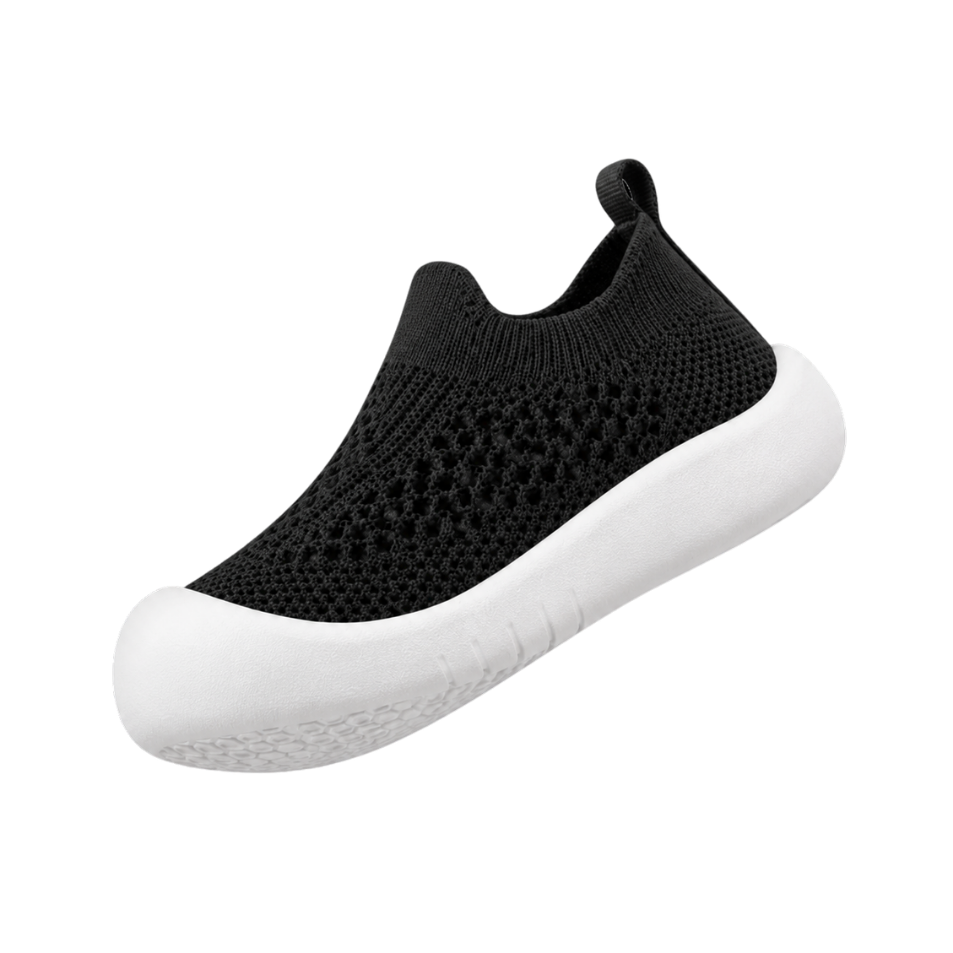
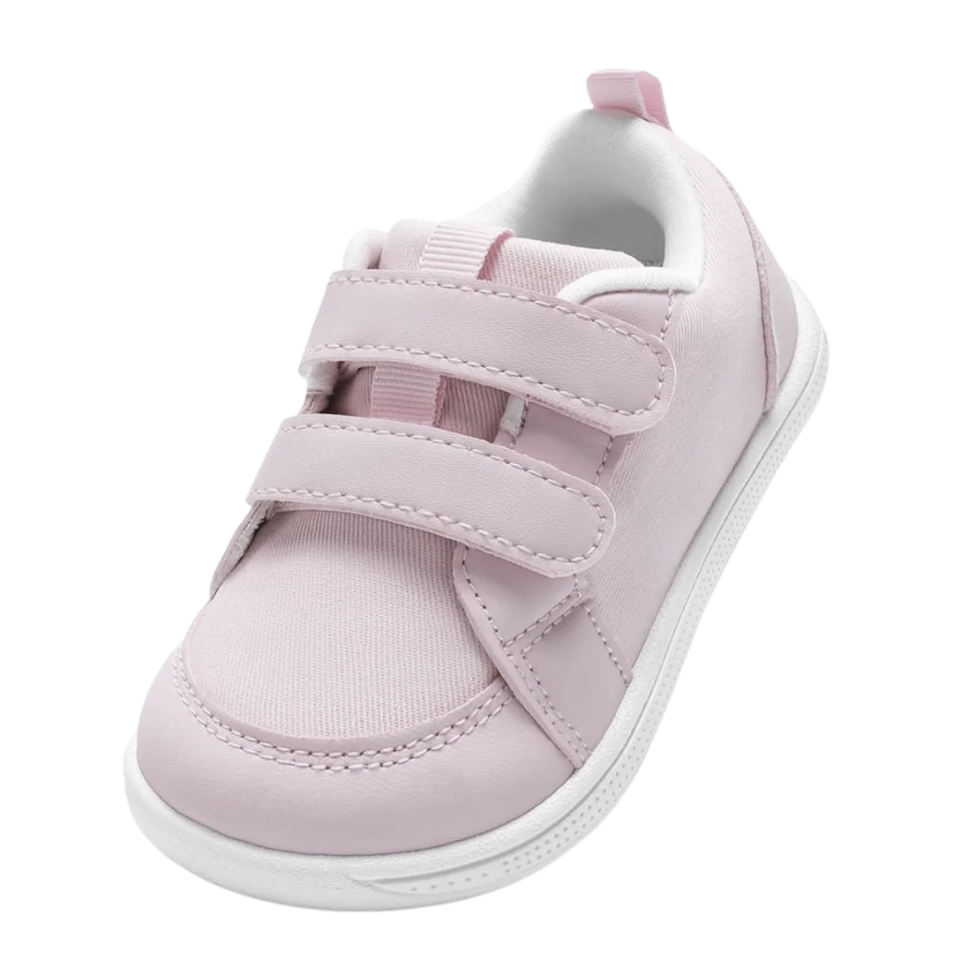
Pippa & Vale vs. Every Other Toddler Shoe
The difference isn't subtle. It's the difference between a shoe that works with the foot and one that works against it.
Check Your Toddler
Do You Notice Any of These? Most Parents Don't Connect Them to the Shoes.
Many parents see these signs every day. Very few look at the shoes first — because nobody told them to.
- Trips and falls more than seems normal for their age
- Shoe time triggers tears, tantrums or refusal every single morning
- Shoes fall off constantly or get put back on again and again
- Walks noticeably better, more confidently, when barefoot
- Sock marks, redness or pressure marks visible after shoes come off
- Walking looks stiff, heavy or more laboured than it should be
- A rash, redness or mark that keeps returning in warmer months
- Shoe battles that get significantly worse in summer
What This Actually Means?
Toddlers can't tell you the sole is too rigid, their toes are compressed or the shoe weighs too much. So they show you instead.
The resistance is communication. The answer is almost never the child. It's the shoe.
"I genuinely thought my daughter was just clumsy. 18 months old and tripping constantly. Then I read about how shoe soles affect gait in early walkers. We switched to sock shoes. Two weeks later, she was running across the kitchen tile without a single fall. I felt awful that I'd waited so long."

Anna S. | Mom of a 19-month-old
From Unsteady and Resistant — to Running, Confident, and Asking to Wear Them
The feedback follows a remarkably consistent pattern. The same three things. Always in the same order.

For parents who gave up expecting that — this alone is a revelation. Through running, climbing, water play, and a full daycare day. Still on.
Not tolerates. Asks for them. Tries to put them on alone. For parents who turned shoe time into a daily negotiation — this is the moment they didn't see coming.
More confidence. Better balance. Pediatricians notice before the parents mention the shoe change. The foot is finally doing the work it was always supposed to do.
26,000+ Parents Switched. Here's What They Noticed.
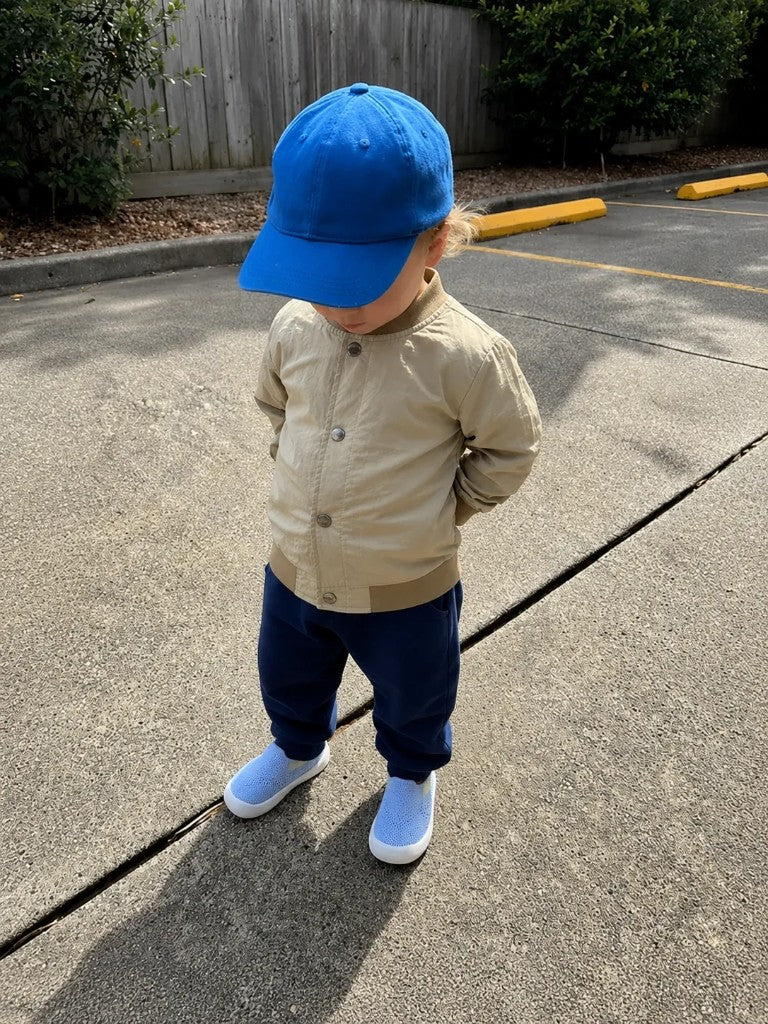
My son has really wide, chunky feet and every shoe left red marks on his toes.
ResultThese are the first ones that actually fit him properly. So much room in the toes and he hasn't complained once.
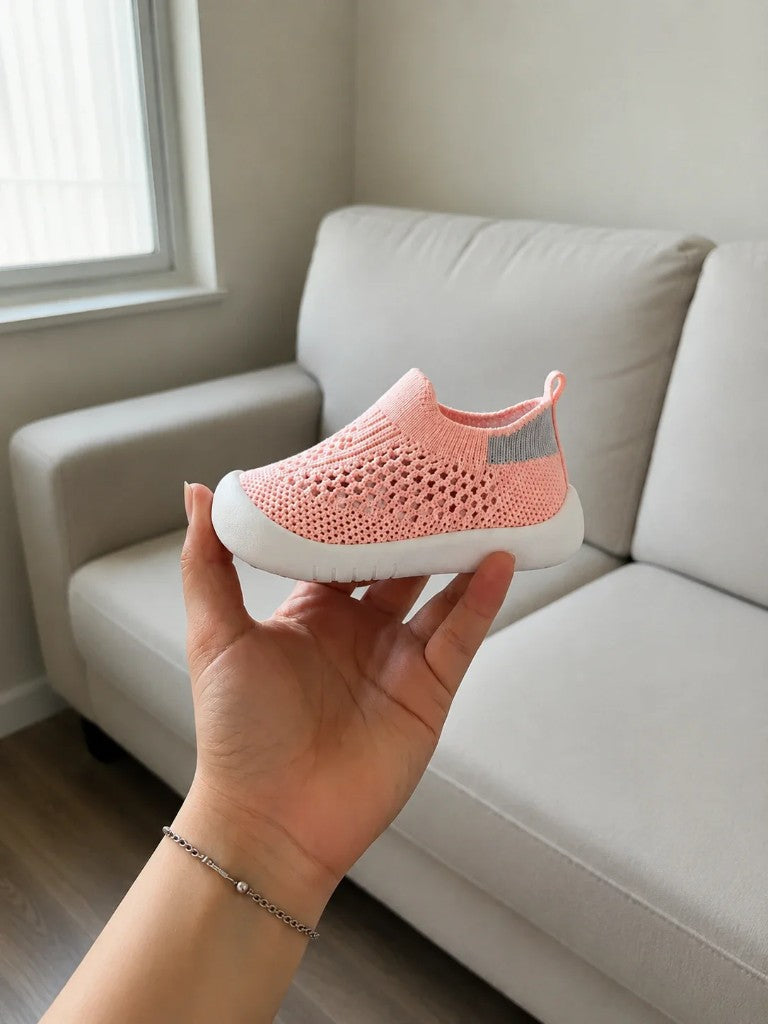
Getting shoes on my 2-year-old used to be a daily fight before leaving the house.
ResultThese just slip straight on and they don't come flying off at the park. Game changer for our mornings.
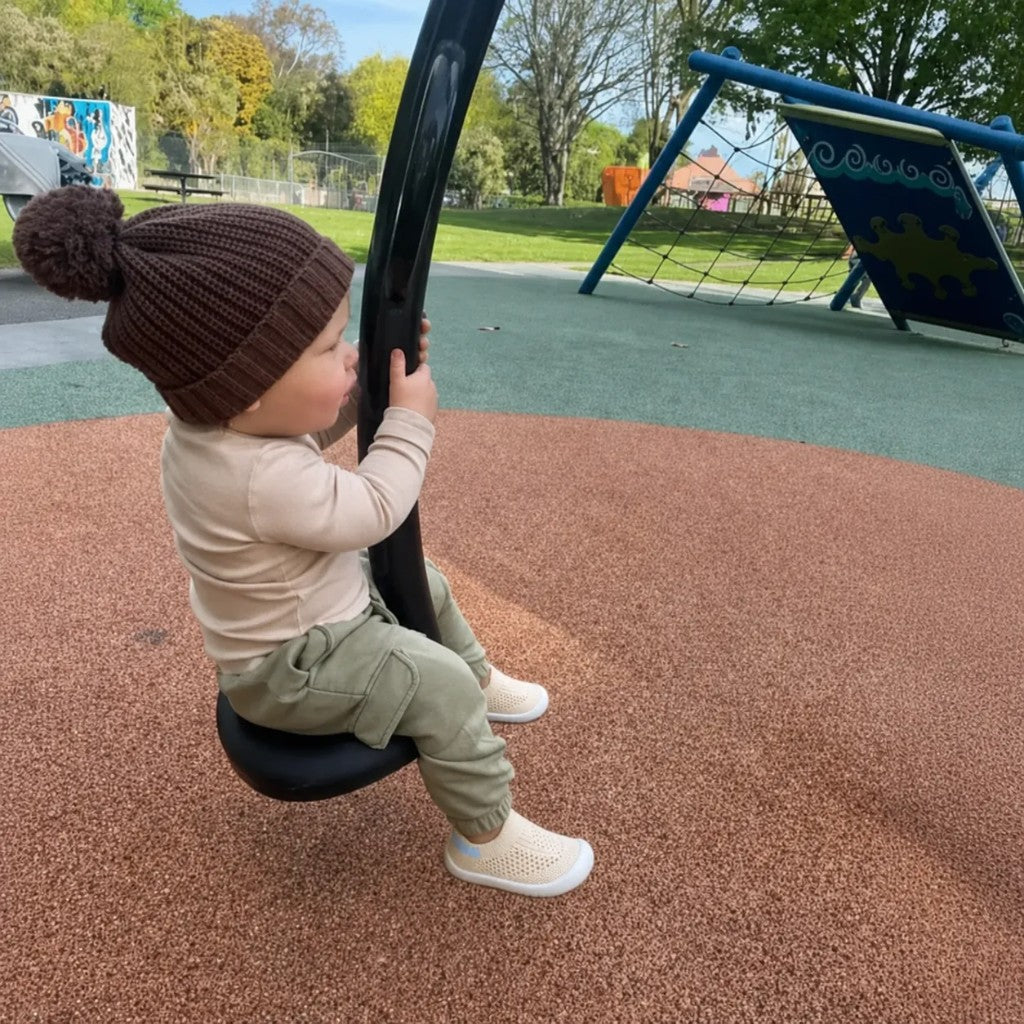
He pulled every other pair off and always wanted to go barefoot.
ResultHe calls them his fast shoes and brings them to me. Lightweight, soft, and he keeps them on all day.
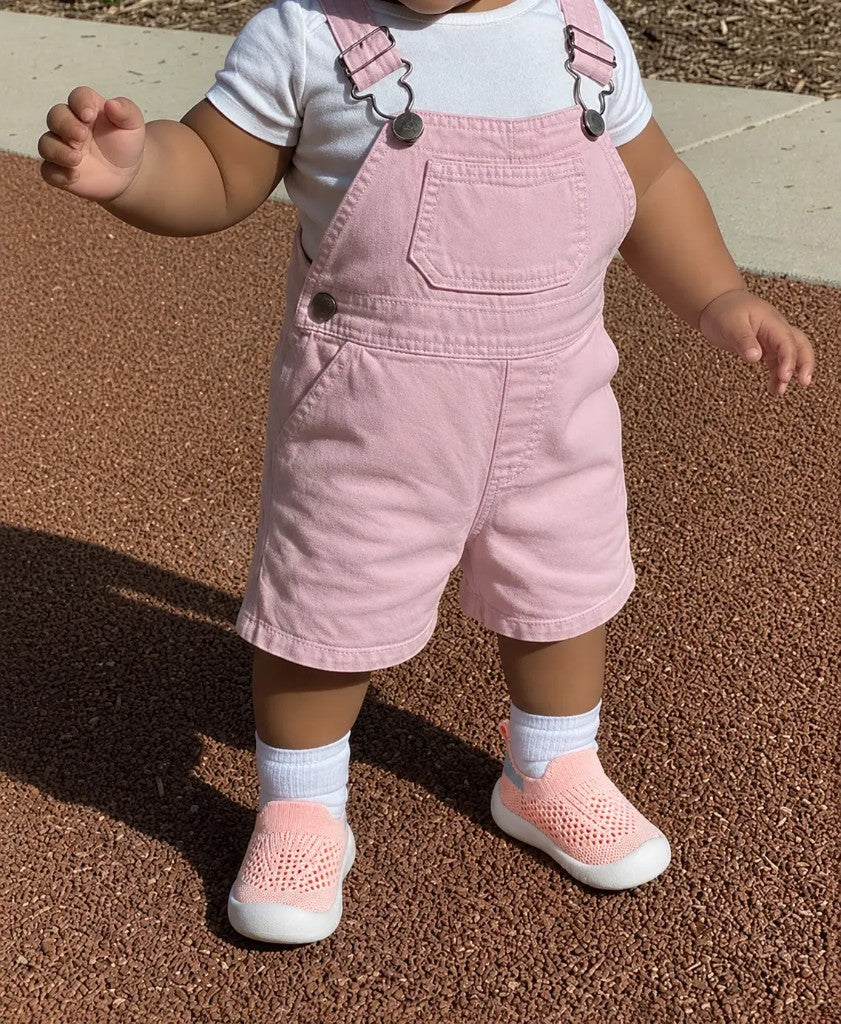
My daughter hates anything tight or seamed on her feet and refuses most shoes.
ResultThese are soft like a sock with nothing digging in, and they're the only pair she'll keep on.
Pippa & Vale — The Shoe That Lets Little Feet Move The Way They Should.
Wide toe box, flexible sole, breathable knit. Try them at home and if they don't change how your toddler moves, send them back. The risk is entirely ours.
Grab Your Pairs

Common Mistakes
Things Most Parents Do With Toddler Shoes — Without Realising the Impact
- 1Buying a size too big to "grow into"
Extra space means the foot slides and can't grip properly. - 2Choosing stiff soles because they look supportive
A toddler's foot needs room to build its own strength. - 3Picking narrow shoes because they look neat
This can compress developing toe bones. - 4Heavy shoes for early walkers
More shoe does not mean more stability. - 5Prioritising style over function
The most important shoe is one they can barely feel. - 6Switching to sandals in summer thinking it's better for the foot
Thin straps can create pressure points on warmer, swollen feet, and exposed toes are left unprotected during the busiest outdoor months.
Why sock shoes avoid all of these by design?
No stiff structure. No narrow toe box. No heavy build to alter their gait. No hard straps or buckles to rub. The shoe disappears around the foot — and that is the point.
What parents ask before they switch
Are Pippa & Vale barefoot shoes actually better for little feet?
My toddler is just starting to walk. Are they too young?
How do I know what size to order?
What if I order the wrong size?
Are they suitable for wide or chunky feet?
Can I wash them?
"I Wish I Had Done This From Day One"
This is the phrase that appears more than any other in the parent feedback. Not "I'm glad I switched." The specific regret: I wish I had done it sooner.
Because the developmental window is time-limited. The cartilage is only pliable for so long. The arch forming. The toes aligning. The gait settling. You can't undo the past. But you can change today. The difference is almost always immediate.
Summer is when the wrong shoe does the most visible damage — the heat, the rash, the resistance. If you've been meaning to look into this, this is the moment to stop meaning to.
Pippa & Vale Is 40% OFF Today
- Machine Washable
- Stays On Through Anything
- No Synthetic Lining — Soft Knit Against Their Skin
- Promotes Natural Development
- Comfortable & Supportive
- Breathable Knit — Summer-Safe, No Trapped Heat

